The Sham of ‘Stress Management’
The conversation about women's stress that nobody is having
If you're not plugged into social media, you may have missed the incessant pronouncements on the importance of self care and stress management. It's all over the place, reminding us to fit this into our busy days and warning us of the risks of ignoring or letting it slip.
Quickly checking hashtags on Instagram, #selfcare has 101M and #stressmanagement 2.5M and #stressrelief 3.3M shares.
Here's an example that epitomises the sort of messaging that is typical:
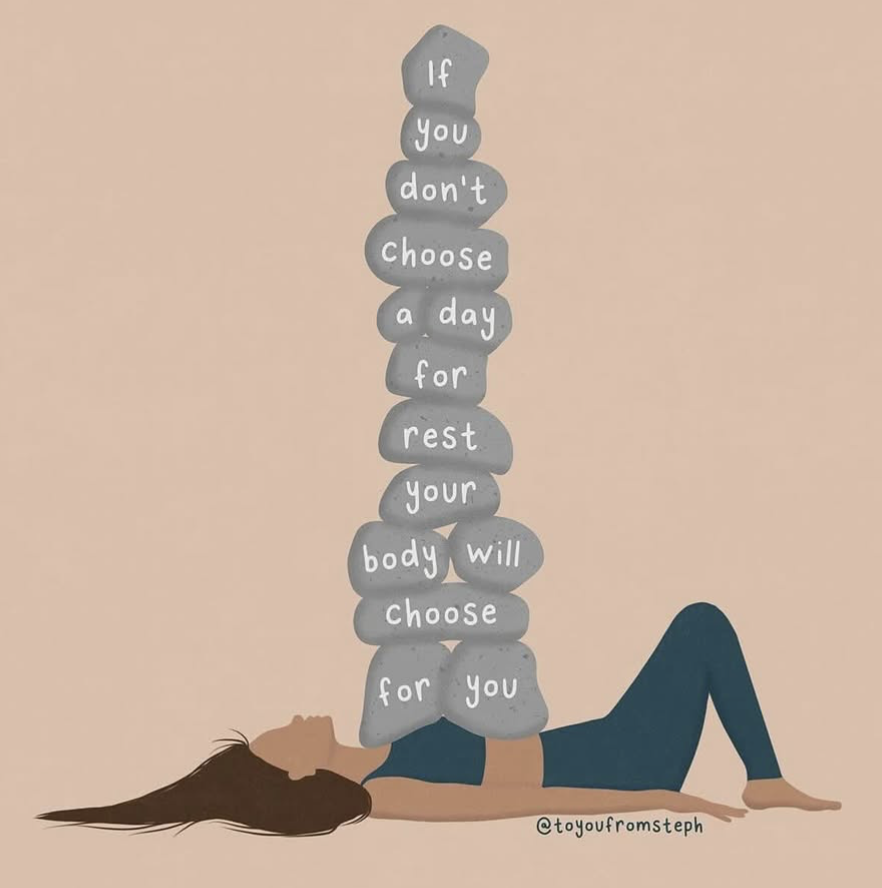
What does it bring up for you?
For me, I'm struck by what a visual load it is on her - what a pressure for her it is to have yet another thing to do, and how the onus is on her to manage her system so that it fits into a life that isn't supporting her.
In this post, my buddy and colleague Katy Bradbury reminded me why I feel so fired up on behalf of a client I saw recently — and why the messaging around our nervous systems bothers me so much.
It’s the idea not only do we need to fit these self care, stress management activities into our busy lives and if we can't, we're failing; it fundamentally ignores the root cause of the stresses that so many women are utterly swamped by. Which is just half the story - it misses the whole point.
Don't get me wrong, looking after your body and nourishing yourself IS important. Mitigating the impact of stress on your nervous system is an essential act in caring for yourself. We all need to do this, and to model it to younger generations so they don't feel the same guilt about taking time out that most of us feel. Also there are some very worthwhile and effective strategies that make an enormous difference and are important, and there are some wonderful practitioners serving in a beautiful way, with care. The issues I have with it go deeper:
So many of the people who share these strategies are doing so from a position of privilege and don't appreciate how extremely difficult it is for so many women to carve out time to nourish themselves. Which leaves them feeling inadequate and more stressed.
And, the bigger thing for me, is that the reason WHY most women's nervous systems are quaking under an impossible load is never centred. The context for the dysregulation is never placed truthfully and honestly.
My client yesterday was barely hanging on because she was carrying so much more responsibility and stress and output than she was ever designed to hold. Why? Because the systems of our society are not set up to support women - but we’re expected to get on with it.
This is the deep truth. This is the context behind why so many women are reaching midlife and struggling so much, because their nervous systems are trying to orchestrate a whole body physical reorganisation, on top of the impossible burden(s) they've been carrying for decades. Or they’re just struggling so much under the extreme weight of responsibility that shouldn’t all be theirs to hold.
What am I talking about?
Black and brown women receiving an unacceptably poor quality of maternal care in hospital (and care generally, in comparison to their white counterparts). See Kemi, an activist, educator, speaker and midwife.
Not enough women being listened to and taken seriously by their GPs.
Black and brown women experiencing the micro aggressions and racist attacks for decades, that compound and amount to PTSD. So the very fact that they are black or brown impacts their nervous systems (and health) in a fundamental, harmful and outrageous way.
Women in long term relationships finding themselves unable to cope with the unrealistic expectation of working a full time job, while also running a household and keeping on top of their children's needs.
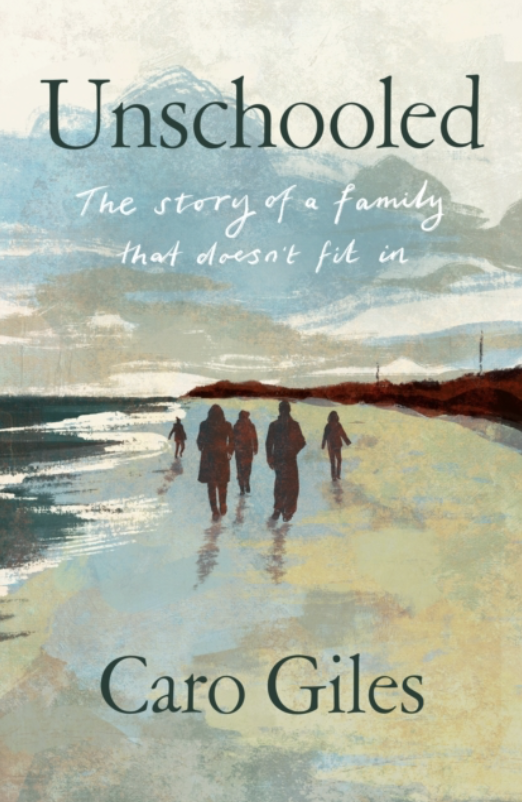
Mothers finding it impossible to get the support their sparky, sensitive, neurodiverse children need when they can’t thrive in the conventional school system, because the mothers who are trying to look after and advocate for their children are not listened to or supported by the government and education system. If this is true for you, check out this wonderful book by Caro Giles, which illustrates this enraging situation so eloquently and honestly.
Women expected to manage their children's and husband's/partner's emotions but keep their own to what’s acceptable only. And being labelled irrational, angry or aggressive if we do.
A healthcare system that doesn't understand the nuances and needs of the female body because it hasn't done enough research into our bodies.
Workplaces that don't accommodate flexible working for women who may need to take sudden days off to care for a sick child, or who need to be at home during the holidays, or who struggle to get to work on time after school drop off, or need to leave home early enough to collect children from school. It's wild that the generally accepted paid holiday allowance is 28 days, but school holidays amount to 175 days, or that the typical working day is 9am-5pm but the school day is 9am - 3pm. Follow Anna Whitehouse aka Mother Pukka on Instagram for more on this.
More companies are trying, but most workplaces do not understand the needs of women who are trying to get through peri/menopause, IVF or serious issues relating to their menstrual cycle.
Trans folk not receiving the recognition, respect and care they need and deserve.
Highly sensitive, neurodiverse and autistic women being fundamentally misunderstood and having to contort themselves into a world that is brutal for their nervous systems - with catastrophic effects on mental health.
Being cyclical by nature but having to flatten ourselves into a linear world that doesn't respect our rhythms and cycles.
Being naturally highly intuitive, which is a super power, but this fundamental part of our being is dismissed, disregarded, disrespected.
Being socialised from age dot to appease, people please, put others first, not make a fuss, not assert ourselves, which leads to deep self abandon and repression. Our bodies know the truth, but we suppress it, and this incongruence is harmful.
Being expected to provide unpaid care to our children with health or educational needs and/or elderly parents - but without sufficient support.
The expectation placed by society on us to be youthful, slim and sexy and to compete for men’s attention and approval. This makes us rivals, rather than allies, and leaves so many of us feeling unsafe with other women, feeling a lack of solidarity and sisterhood. It also plays out internally, with constant self surveillance, body shame and seeing ourselves as failing if we don’t fit the cultural stereotype of being slim and blonde.
Finally, women not feeling safe at home with their male partners, walking the streets at night, with men in their immediate or extended family. 1 in 4 women experience domestic violence. Being a woman, therefore, involves a constant, low-level threat of safety and tax on our nervous systems.
And we wonder why we are spilling over with anger and rage.
So when I see the pressure on us to include self care activities, or manage our stress and support our nervous systems, what I struggle with is the lack of understanding about why we’re stressed, overwhelmed and exhausted in the first place.
Are we supposed to calm our bodies in order to cope in this world that is causing us the harm?
This is not a case of us failing and mismanaging our systems but an exquisitely evolved and calibrated system responding to an environment that is genuinely threatening. That’s the root of it that really needs addressing.
So, my friend, you may be exhausted, frazzled, enraged, highly anxious - but it's not your fault. You're doing your very best in a world that is not fit for you. Remember this scene from Good Will Hunting?
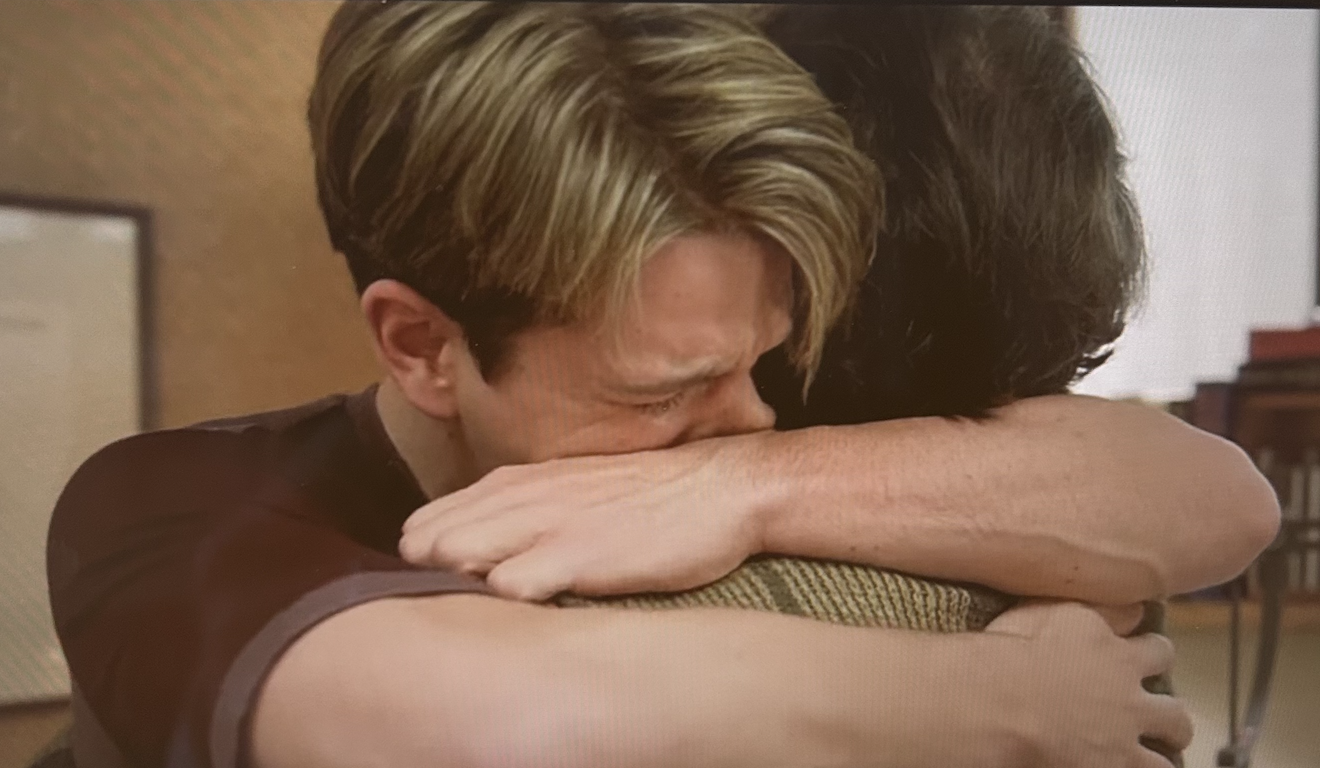
It’s not your fault.
So what can you do about it?
If our world does not have the structures in place to support us and enable us to thrive, we have to create it for ourselves. We need to build our village.
What that looks like:
Time and budget permitting, I am a huge advocate for TCM acupuncture, herbal therapy, and craniosacral therapy, massage, breathwork, talking therapy, somatics, yoga and other forms of exercise and ways of being cared for physically.
Talk to people who get it, whether it’s a brother, your best friends, co-worker, husband or partner, or someone else; the dots need connecting. The more of us who do, the more likely change will happen.
Take small steps to nourish yourself, whether that’s having eggs for breakfast, swapping an afternoon coffee for green tea, going to bed earlier, or having an extra glass of water: it all makes a difference - even if it it’s the only thing you can manage now, it’s still powerful.
Lean on your friends and allow them to lean on you when they need support. If you don’t have friends locally, explore local groups such as women’s circles, singing groups, fellow dog walkers. Create your own supportive sisterhood of women you trust.
Make formal complaints, write to your GP, stand up against poor care and unequal treatment.
What would it be like to hold a boundary, say no, or ask for something you need? Challenge the idea that you’re putting other people out, being overly demanding or confronting: is it really true?
If you’re feeling anxious or angry, could you find a way to connect with what’s behind it, what it’s trying to communicate to you? There is almost always a valid reason why a woman is feeling rage.
Learn about your menstrual cycle, even if you’re in the last throes of having one. Be curious about how your mood and energy fluctuates - can you shape your commitments around it? Can you plan ahead and ring fence some time alone or to rest when you know you’re going to need it?
If it’s within your means, seek help from a practitioner like me - there are plenty of us out there: Katy Bradbury, Kate Waters, Catherine Grist, Naomi Jones, Anna Wulf, Cara Redpath. We can support your energy levels, biochemistry, gut health and all sorts of other things that make life harder and more stressful than it needs to be. Also Daniel O’Shaughnessy (https://www.instagram.com/thenakednutritionist) for any trans or queer folk, and Claire Doherty is an incredible transpersonal coach for absolutely anything else.
Final word:
My professional body prohibits me from making political statements and sharing political beliefs. I understand this to some extent, but the fact remains that health is deeply political. The sooner we recognise that in relation to women’s health and wellbeing, the better.